 Pyeongye
Artwork · 19th century · Frederic Remington
LeoTurn on Magnifier at the lower right and move slowly across the painting.
Full screen opens it edge to edge.Tap the painting to fill the screen.
Spread two fingers to look closer.
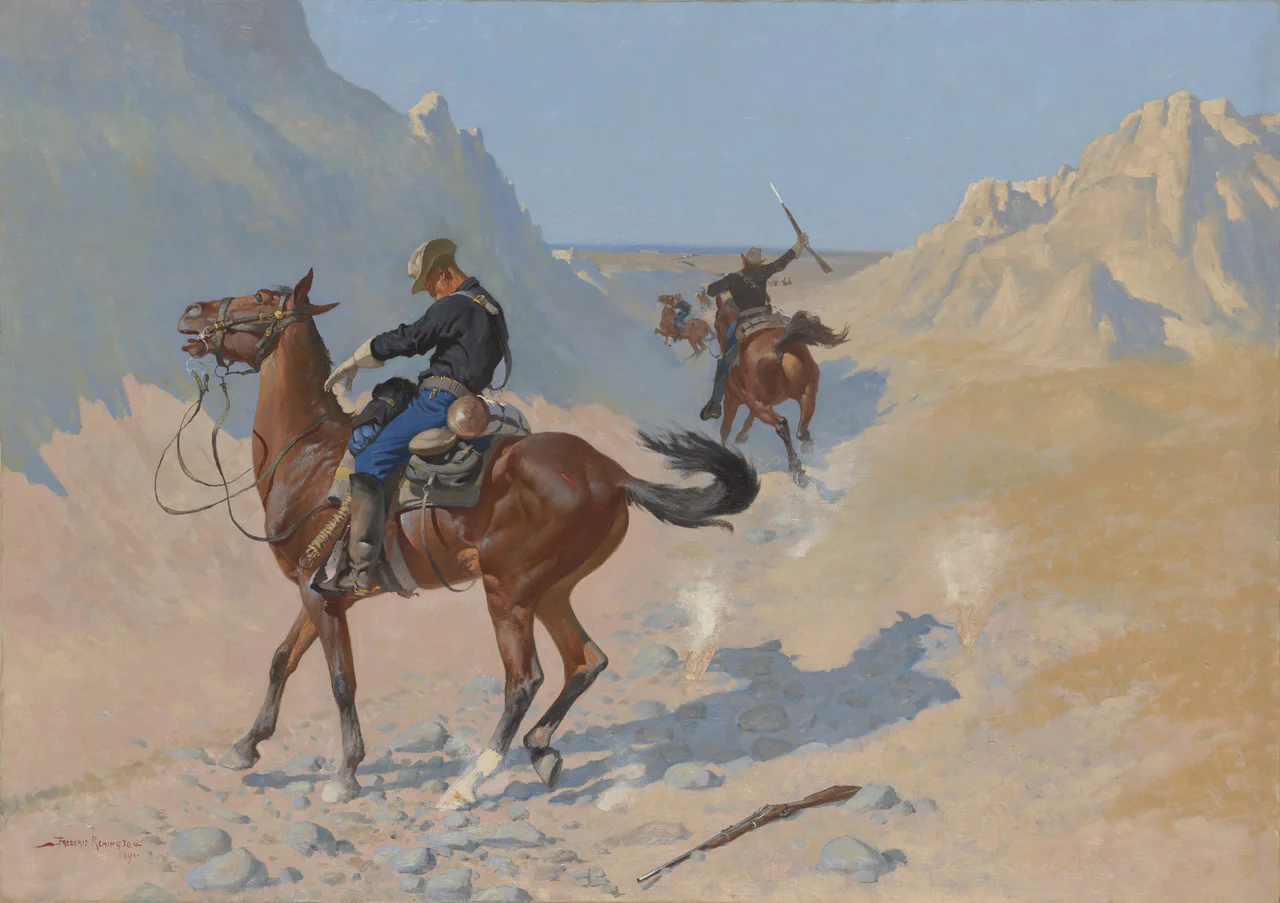
The Advance-Guard, or The Military Sacrifice (The Ambush)
Frederic Remington1890Oil on canvas87.3 × 123.1 cm
At a glance
- In a dry, rocky valley, a U.S. cavalry scout riding ahead of his troop has been shot from a hiding place and slumps on his horse, while the soldiers behind him wheel away from the ambush.
- Frederic Remington painted it in oil on canvas in 1890, at about twenty-eight, in his New York studio.
- The shooter never appears. The Art Institute of Chicago says the picture gave white audiences in the East a mythic West of danger and opportunity.
Reading the picture
5 places to look closer
Tap a number on the painting to jump to its note, or a close-up to see that spot in the whole picture.
Zoom in on the scout. His head under the broad hat has dropped forward, and his white-gloved hand reaches limply into the air. A cartridge belt circles his waist, and a round canteen hangs by the saddle. Before anyone explains the scene, his body tells you what just happened.
Now look at the horse's head. Its mouth is open, its head thrown back, and white foam drips from its lips. The reins hang slack because no one is holding them. The horse leans away as if it sensed the danger before its rider did.
Drop down to the ground. A rifle with a wooden stock lies among the stones. Did it just slip from the scout's hand? Remington uses this one small object to show the shock of the moment.
Look at the ground between the scout and the riders behind him. A plume of pale dust jumps up from the earth. Another one rises near the slope on the right. They look like bullets striking the dirt, which tells you the unseen shooting has not stopped.
Zoom in on the soldiers at the back. One gallops away with his rifle raised high, and more riders scatter ahead of him. Far down the valley, tiny figures stand in a line like dots. While the man in front falls, the troop is already turning back.
When it was painted
In 1890 Frederic Remington was about twenty-eight and already a well-known magazine illustrator. Born in Canton, New York, he studied art briefly at Yale and went West around the age of nineteen. In 1888 he illustrated Theodore Roosevelt's writing about ranch life, and in 1890 he drew pictures for a new edition of Longfellow's poem The Song of Hiawatha.
He made many trips West to sketch and gather material. But, as the Art Institute of Chicago points out, he painted most of his pictures back in his New York studio, and this was one of them. Its viewers were white audiences in the East who pictured the West in their imagination.
In January 1893 Remington held an auction of his own works at the American Art Galleries in New York. Several New York newspapers covered it. This painting was one of the works in the sale.
That September, Remington published an article in Harper's Weekly under the same title as the painting, with the picture reproduced beside his words. Much later the painting belonged to the George F. Harding Museum in Chicago, and in 1982 it came to the Art Institute.
Look again at the fallen rifle and the empty slopes. In this moment, built from imagination in an eastern studio, the person who fired the shot is never given a face.
The painter
Frederic Remington
1861–1909
When painting this, the artist was about 29 years old
All paintings by Frederic Remington →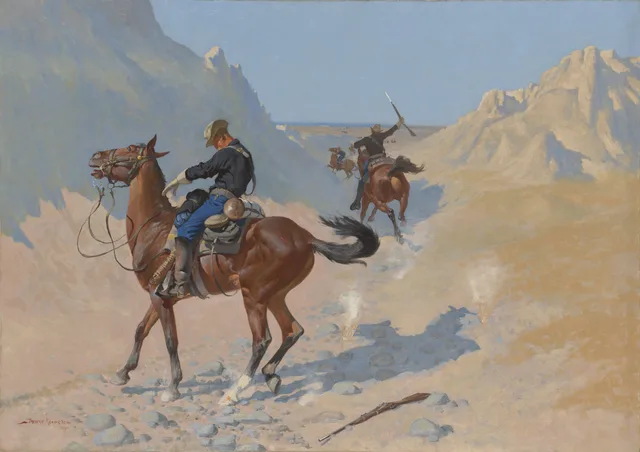
Questions to think about
- Look for itCan you find clues in the picture that hint at where the shot came from?
- Why?Why do you think Remington never shows the Sioux warrior who fired?
- What about you?This picture was made for people who knew the West only from their imagination. Where do my own ideas about places I have never visited, and people I have never met, come from?
Same period
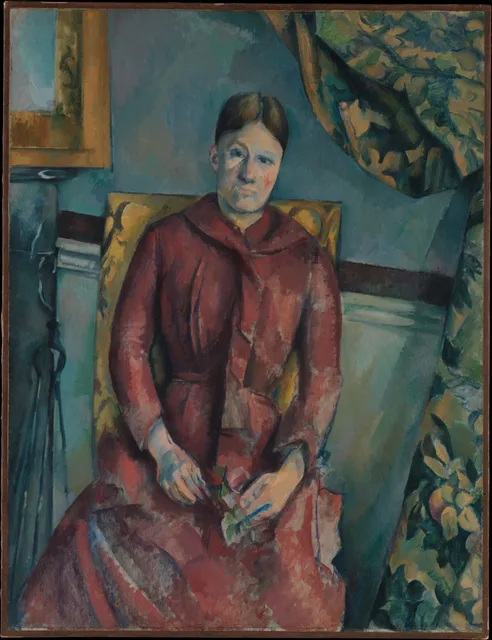
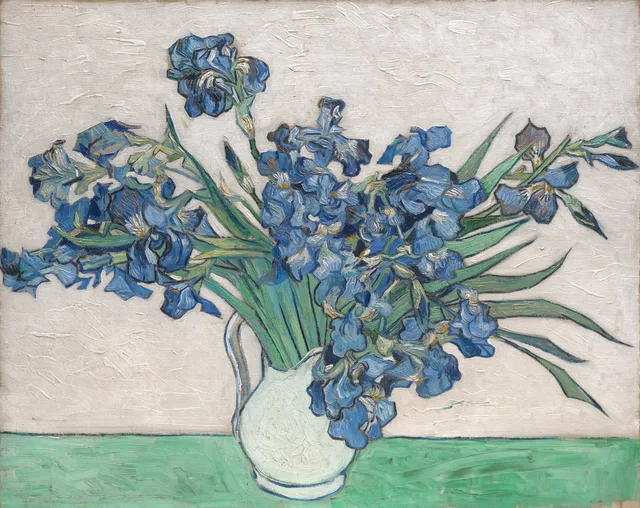
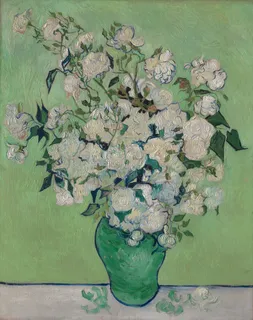
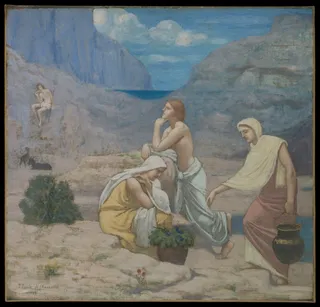
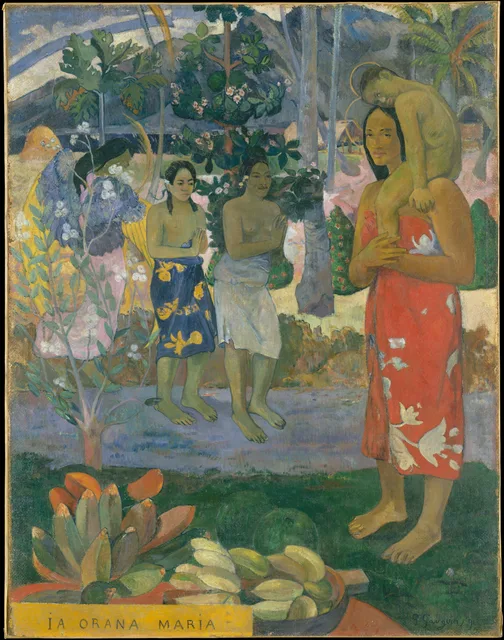
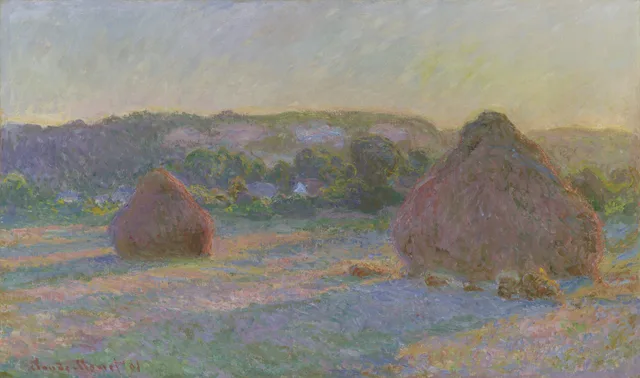
Painted around the same time,
somewhere else
Too good to keep to yourself
This painting,
for someone who comes to mind
They open it at full size
and see every brushstroke.
About this work
- Artist
- Frederic Remington · 1861–1909
- Date
- 1890
- Medium
- Oil on canvas
- Size
- 87.3 × 123.1 cm
- Culture
- New York
- Collection
- The Art Institute of Chicago
- Image
- Original long edge 13192px · shown at 2560px
- Original
- View on the museum's website ↗